PU Sealant

Technical overview
Polyurethane sealants for durable construction joints
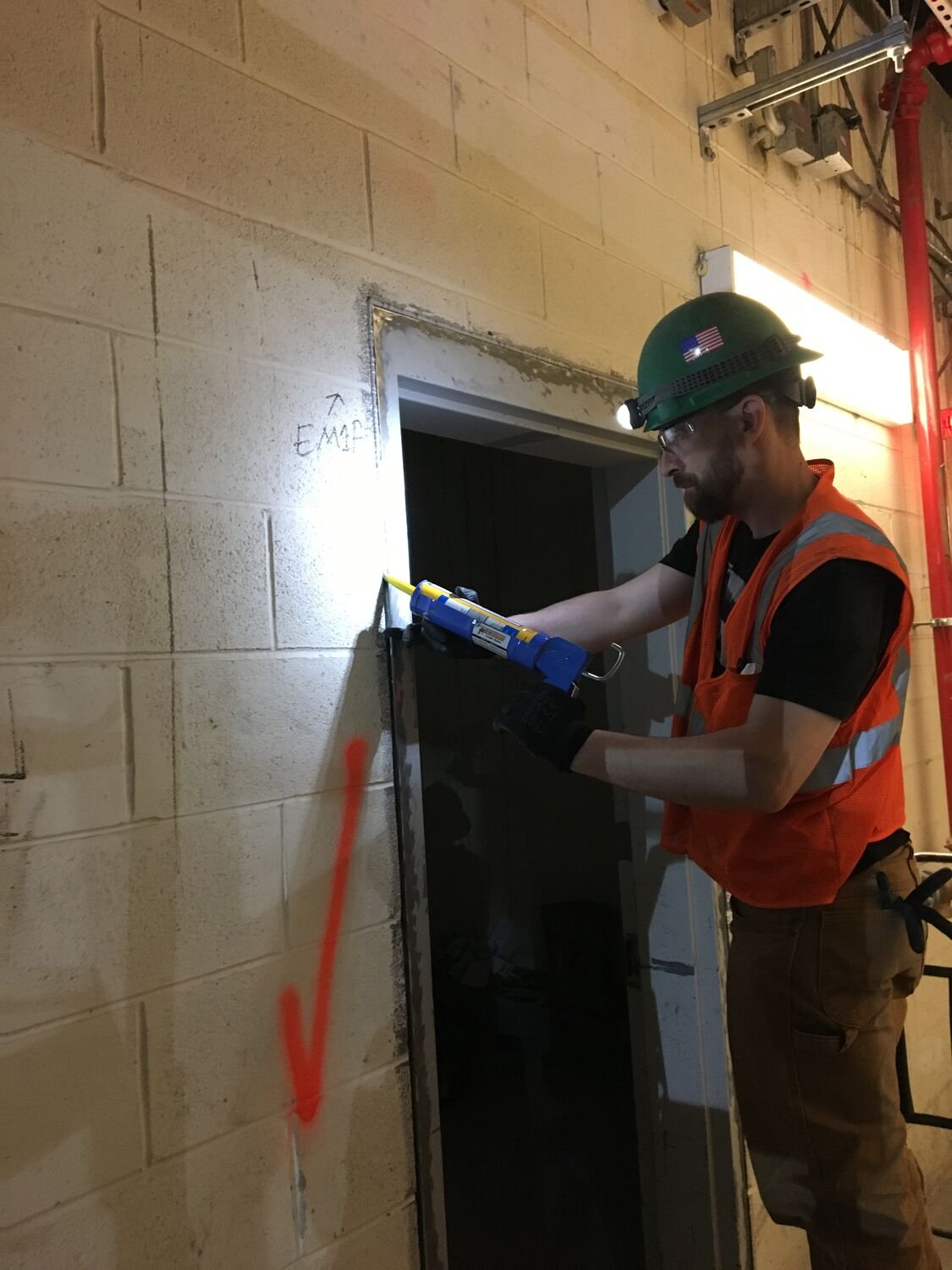
Polyurethane sealant cures into an elastic material that can seal designed joints while accommodating movement. It is commonly considered for concrete joints, façade connections, floor joints, and selected metal-to-metal seams when the chosen grade is documented for those substrates and exposures.
How the material works
- Elastic joint sealing after cure
- Strong adhesion is available on many construction substrates with grade-specific preparation
- Paintability and movement capability depend on the selected product
What determines the right grade
- Joint width, depth, and expected movement
- Concrete, masonry, metal, or other adjoining substrates
- Interior, exterior, traffic, water, and UV exposure
- Primer, backing material, tooling, and cure requirements
Typical construction uses — grade and joint dependent
- Connection and expansion joints in buildings
- Joints between precast or prefabricated elements
- Floor and wall joints where the selected grade is documented
- Selected metal-sealing applications
PU sealants are not interchangeable. Confirm movement class, primer requirements, chemical and UV exposure, traffic conditions, and current TDS before specifying a grade.
Josoor can review the joint geometry, substrates, movement, and exposure with the supplier and offer a documented PU-sealant option.
Loading technical documents…